Bio-identical HORMONES

There are different types of hormones available to help treat hormonal symptoms.
It’s helpful to distinguish between “conventional hormone replacement” (HRT) and non-conventional/alternative
“bio-identical hormone replacement” (BHRT).
What are bioidentical hormones?
Bio-identical hormones are hormones that share the same molecular structure as those naturally produced by the human body. Because of this structural similarity, they are widely discussed in clinical and educational contexts related to hormone health and hormonal transitions.
Conversations around bio-identical hormones often arise when individuals seek to better understand changes associated with different life stages, including perimenopause and menopause. These discussions may include common experiences such as changes in energy levels, sleep patterns, mood, temperature regulation, or overall comfort, which are frequently associated with hormonal shifts.
Bio-identical hormones are typically explored as one of several options within broader, individualized discussions about hormone health. As with any hormone-related approach, potential benefits and risks should always be reviewed in the context of personal health history and professional guidance.
How do they differ from conventional HRT?
The term “conventional hormone replacement therapy (HRT)” generally refers to hormone products developed and manufactured by pharmaceutical companies in standardized formulations.
Bio-identical hormones and conventional HRT are often described as distinct categories within educational and clinical discussions about hormone health. These conversations may take into account factors such as formulation, personalization, and how different options are discussed in relation to common hormone-related experiences, including symptoms like hot flashes, sleep disruption, changes in libido, or vaginal discomfort during menopause.
Different approaches may be appropriate for different individuals, depending on their circumstances, goals, and medical history. Understanding these distinctions supports informed decision-making and encourages thoughtful conversations with qualified healthcare professionals.
Why People like BHRT:
Many people explore bio-identical hormones as part of a broader interest in understanding hormone health and seeking approaches that feel more personalized and aligned with their individual needs. Discussions around BHRT often arise during times of hormonal transition, when individuals may notice changes in how they feel physically, emotionally, or mentally.
These conversations frequently include common experiences associated with hormonal shifts, such as changes in energy levels, sleep quality, temperature regulation, mood, focus, libido, or overall comfort. For many, the appeal of bio-identical hormones lies in their structural similarity to hormones naturally produced by the body and the way they are discussed within individualized, context-specific approaches to hormone health.
Educational and clinical discussions around BHRT often take place alongside conversations about lifestyle, nutrition, stress, and overall well-being, recognizing that hormone health is influenced by multiple interconnected factors.
As with any hormone-related option, careful consideration is important. Hormonal needs and responses vary widely between individuals, and discussions about potential benefits, risks, and suitability should always be guided by personal health history and qualified professional oversight.
Working with a BHRT Doctor
Working with bio-identical hormones is often discussed as part of a more individualized and holistic perspective on hormone health, particularly during periods of hormonal transition. Rather than focusing on standardized solutions, this approach emphasizes understanding how different aspects of health and lifestyle may influence how individuals experience hormonal changes.
Conversations around BHRT frequently include common experiences associated with hormonal shifts, such as changes in energy levels, sleep quality, mood, focus, temperature regulation, or overall comfort. Nutrition, metabolic balance, stress, and daily habits are often part of these broader discussions, recognizing that hormone health is influenced by multiple interconnected factors.
This perspective is often described as proactive, as it encourages greater awareness and understanding of hormone-related changes before they become more disruptive. By viewing the body as an integrated system, individuals are better supported in exploring informed, personalized approaches that align with their unique needs and long-term well-being.
Bio-identical Hormones for premenopause
Bio-identical Hormones for menopause
Bio-identical Hormones for perimenopause
01/03
Bio-identical Hormones
for premenopause
It can be so hard to be a woman! Maybe you have:
- Heavy periods
- Irregular periods
- PCOS
- PMS
- Fibroids
- Ovarian cysts
- Cyclical migraines
- Anxiety/depression that is related to your cycle
- Endometriosis
Whatever your menstrual “issue” is, you are no doubt suffering for a part of the month with it. And the interplay and balance between your hormones are likely a factor in what you are experiencing.
While there can be many causes to the situations listed above, the common theme is hormonal imbalance.
The common imbalance when you are premenopausal is that your progesterone is deficient relative to your estrogen. Treating the progesterone deficiency and helping your body better process its endogenously made estrogen (with specific vitamins / supplements) will help you feel better.
In this stage, the hormone sometimes prescribed is progesterone.
Bio-identical Hormones for premenopause
Bio-identical Hormones for menopause
Bio-identical Hormones for perimenopause
02/03
Bio-identical Hormones
for menopause
Menopause is defined as “12 months without a period.” At this point, you may be suffering with:
- Insomnia
- Hot flashed
- Night sweats
- Anxiety
- Low mood
- Weakness
- Low stamina
- Low motivation
- No or Low libido
- Vaginal dryness
- Reduced memory
- Weight gain
- Thinning hair
You may wonder if this will just pass- maybe you don’t need any hormone replacement at all, right? Maybe your body will just ease itself through this transition and rebalance on its own.
I sincerely wish that for you! Sometimes it happens, for sure. For many women though the symptoms persist or are bothersome enough that they want a solution. In some cases the hot flashes do eventually go away on their own, but the other symptoms (like low libido, vaginal dryness, insomnia, mood changes etc) may persist and be a problem.
In this stage, any of the commonly prescribed bio-identical hormones may be helpful for you. The “tool box” includes progesterone, estrogen (biest and estriol), testosterone, DHEA, and thyroid (dessicated thyroid). The ones recommended for you will be based on your symptoms and what your test results show.
Remember, you CAN feel better! It IS possible to feel yourself again!
Bio-identical Hormones for premenopause
Bio-identical Hormones for menopause
Bio-identical Hormones for perimenopause
03/03
Bio-identical Hormones
for perimenopause
Perimenopause can be super tough for women! You may find a number of things are happening to you:
- Heavier periods
- Irregular periods
- Anxiety & Moodiness
- Not feeling yourself
- Poor sleep / Trouble sleeping
- Waking up hot
- Weight gain
- Sore breasts
- Skin breakouts (Adult acne!)
- No or Low libido
- Thinning hair
- Vaginal dryness
Hormonally what is happening is that your estrogen levels are fluctuating while your progesterone levels are declining. This imbalance creates what we call in integrative medicine an “estrogen dominance.”
And this can make you feel not yourself, to put it mildly.
Isn’t it nice to know that there are solutions for this? While your family doctor may offer you the birth control pill, if you prefer a more holistic approach you can speak to a BHRT doctor and discuss how bio-identical hormones may help you.
In the first stage of peri-menopause, estrogen is generally not needed as it can worsen the situation. In the later stages when your periods are much less regular, you find you are getting hot flashes- in which case estrogen be really helpful for you.
The Role of Stress:
In all of the cases above of hormonal imbalance, stress will magnify the symptoms. When our stress hormone cortisol is released excessively, it will cause how we metabolize our hormones to shift. We will no longer prioritize making testosterone, or keeping and using the progesterone our ovaries or adrenals make. Progesterone will get shunted into making cortisol because it is needed for survival. Testosterone will go down because let’s face it, libido is not essential when you are fighting for your life! (which is what your body thinks it is doing when we are stressed). We all experience stress and for the most part, our body is resilient and can handle it. When the stress is prolonged and our body begins to believe it is always in fight or flight mode that it begins to take a toll on us and our body can become out of balance. Doing things to relax our mind and our body regularly can help us unwind and reduce the effect of stress on our hormones.
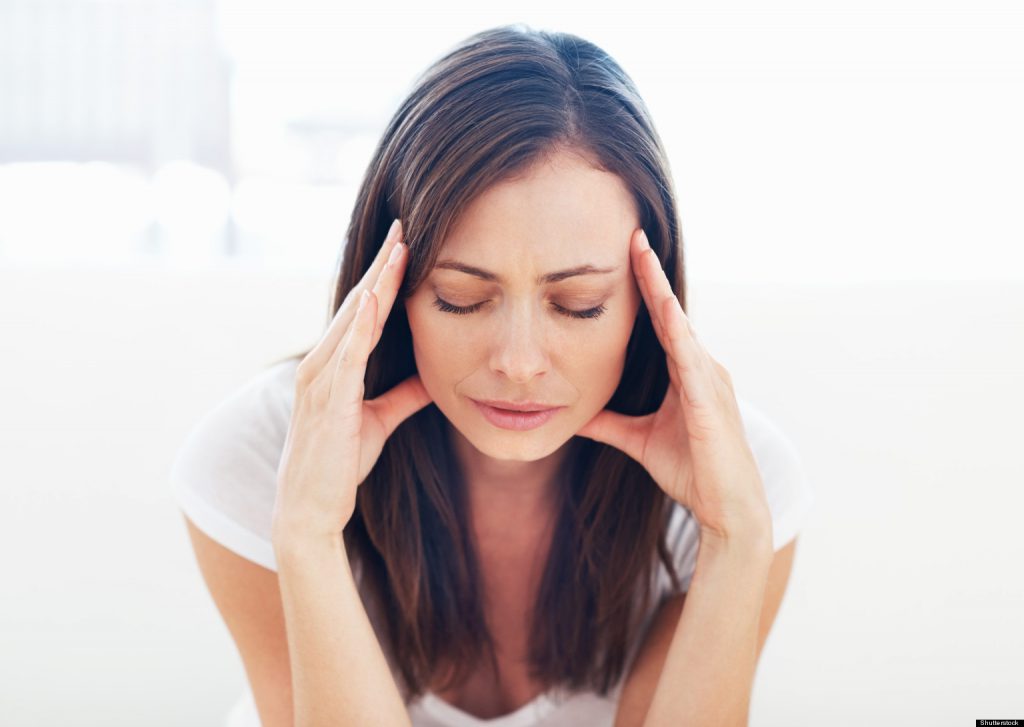
When hormonal changes impact your daily life, informed options matter.
If you’re experiencing hormonal changes, you’re not alone — and you have alternatives.
Dr. Flamer has worked with thousands of women since opening her practice in 2010, gaining extensive experience across different stages of hormonal change. She is passionate about sharing her knowledge and perspective, and values thoughtful conversations focused on education, understanding, and informed awareness.
Through an educational and supportive approach, her goal is to help individuals feel more informed, confident, and empowered as they navigate questions related to hormone health.